Sold a bottle tonight to someone who was going to spend just £50 on a bottle, but I guess my enthusiasm won them over. I think the wine is still a bit young, but with decanting it opened out quite nicely and seemed to grow into the glass a bit.
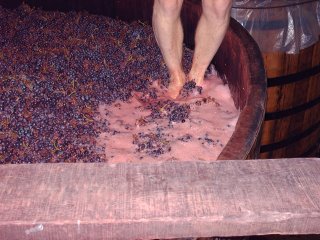
The vineyards are in Gratallops in Priorato, sitting in an area no-one except Alvaro thought manageable. At an altitude of about 290 metres above sea level, the soil is a punishing layer of slate which Alvaro works over with a mule and tiller. Despite the seemingly unhospitable nature of the region, the vines have an average age of about 50 years (between 18 and 100 years old). The blend is a mixture of approximately 60% Garnacha, with the remainder being split of Cabernet Sauv, Merlot, Carinena and a touch of Syrah.
The colour is a deep lustrous purple colour with a fresh purple rim. On the nose it displays a complex range of aromas with garrigue herbs being fairly dominant, then dried stone fruit, spices, warming tobacco notes and a touch of cinnamon all vie for attention. As the wine settles in the glass it seems to rejuvinate the fruit and the aromas become more red berry, cherry like than dried fruits. There is no sense of oxidation that often shows in Spanish reds. On the palate it presents the same fruit and secondary flavours with the tannins coming together quite smoothly, despite its youth. This is a wine that would definately benifit from at least another five years in the cellar, but given the opportunity to be decanted an hour or so before dinner, actually is very drinkable. This was a lovely complement to a dish of venison with a juniper reduction and choucroute canneloni.
Showing posts with label Priorat. Show all posts
Showing posts with label Priorat. Show all posts
Saturday, April 19, 2008

Wednesday, July 11, 2007
WBW 35 - Spanish Value Wines
Michelle and Kevin at my wine education (http://www.wine-girl.net/) are the hosts of this edition of Wine Blog Wednesday and they've chosen a cracker of a theme - Spainish Value Wines (under $10 which Im going to translate to £10 because for the moment the exchange rate is in our favour - yay!!).
Im going to do two wines - one white and one red.
The White - Is from the D.O. of Getariako Txakolina, which if I hadnt looked it up I would have guessed was in Greece. Actually its on the Northern coast of Spain around the city of San Sebastian. According to my copy of the Penin Guide, there were some 220 hectares of vineyards divided amongst some 17 bodegas, producing about 1.4 million litres of wine in 2004. Less than 3% is exported, the remainder supporting the strong domestic market for wines.
Txomin Etxaniz is one of the biggest holders of vineyards in the D.O. with about 30 hectares. The white is a blend of two grapes - Hondorrabi zuri (a white grape) and hondorrabi beltza ( a red one). Until 2005 these were the only two permitted varieties, but it seems that now they are allowed to grow Riesling, Chardonnay and Gros Manseng (must be a favourite of the Basques). As far as I can tell this is just the two Hondorrabi's. On the nose it has a refreshingly zesty aroma, sharp green apples and a sweetish kind of nectarine flavour. It gives the impression that its going to be sweeter than it actually is. On the palate it has a spritz - not sure if thats from bottling under CO2 or a touch of secondary fermentation. Very clean, crisp and dry, with citrus flavours more dominant, but elements of green fleshed melon too. Its very moreish, but finishes quite sharply and cleanly. I reckon this would be fantastic with a nice seafood paella or even just a fruits de mer platter. About £8 from Moreno wines.
The Red - Is from the D.O.Ca of Priorat, in the hills above Barcalona. Cellar Cal Pla is based in the village of Porrera, lower down on the volcanic slopes. The fruit comes from vineyards with parcels of vines as old as 100 years, but the average age is about 50 years old. The wine is a blend of Garnacha, Carenina and a dash of Cabernet Sauvignon, barrel fermented and aged for at least a year in mostly french oak. Aparently the wines are unfiltered when bottled, which I find surprising because the wine is crystal clear - deep ruby red colour with damsons and winter spices on the nose. On the palate the fruit is more dominant, with currants and blackberries upfront and a touch of peppercorn and nutmeg on the finish. The finish is quite long and it ends a bit spicily, which is why I often serve this by the glass with our duck breast with honey brioche and pink peppercorn crust. Its a lovely match! OW Loeb are knocking this out for under a £10.
So thats my contribution for this month, great choice of topic.
Im going to do two wines - one white and one red.
The White - Is from the D.O. of Getariako Txakolina, which if I hadnt looked it up I would have guessed was in Greece. Actually its on the Northern coast of Spain around the city of San Sebastian. According to my copy of the Penin Guide, there were some 220 hectares of vineyards divided amongst some 17 bodegas, producing about 1.4 million litres of wine in 2004. Less than 3% is exported, the remainder supporting the strong domestic market for wines.
Txomin Etxaniz is one of the biggest holders of vineyards in the D.O. with about 30 hectares. The white is a blend of two grapes - Hondorrabi zuri (a white grape) and hondorrabi beltza ( a red one). Until 2005 these were the only two permitted varieties, but it seems that now they are allowed to grow Riesling, Chardonnay and Gros Manseng (must be a favourite of the Basques). As far as I can tell this is just the two Hondorrabi's. On the nose it has a refreshingly zesty aroma, sharp green apples and a sweetish kind of nectarine flavour. It gives the impression that its going to be sweeter than it actually is. On the palate it has a spritz - not sure if thats from bottling under CO2 or a touch of secondary fermentation. Very clean, crisp and dry, with citrus flavours more dominant, but elements of green fleshed melon too. Its very moreish, but finishes quite sharply and cleanly. I reckon this would be fantastic with a nice seafood paella or even just a fruits de mer platter. About £8 from Moreno wines.
The Red - Is from the D.O.Ca of Priorat, in the hills above Barcalona. Cellar Cal Pla is based in the village of Porrera, lower down on the volcanic slopes. The fruit comes from vineyards with parcels of vines as old as 100 years, but the average age is about 50 years old. The wine is a blend of Garnacha, Carenina and a dash of Cabernet Sauvignon, barrel fermented and aged for at least a year in mostly french oak. Aparently the wines are unfiltered when bottled, which I find surprising because the wine is crystal clear - deep ruby red colour with damsons and winter spices on the nose. On the palate the fruit is more dominant, with currants and blackberries upfront and a touch of peppercorn and nutmeg on the finish. The finish is quite long and it ends a bit spicily, which is why I often serve this by the glass with our duck breast with honey brioche and pink peppercorn crust. Its a lovely match! OW Loeb are knocking this out for under a £10.
So thats my contribution for this month, great choice of topic.
Subscribe to:
Posts (Atom)